
Powerful Films Celebrating Women’s Voices, Achievements, and Stories
Looking for inspiration this Women’s History Month?

Main Library
625 Minnesota Avenue
Kansas City, KS 66101
United States
Mr. & Mrs. F. L. Schlagle Library
4051 West Dr
Kansas City, KS 66109
United States
Also open 9:00 am-5:00 pm on the 3rd Saturday of each month.
South Branch Library
3104 Strong Avenue
Kansas City, KS 66106
United States
Turner Community Library
831 S 55th Street
Kansas City, KS 66106
United States
West Wyandotte Library
1737 N 82nd Street
Kansas City, KS 66112
United States
United States
Serving locations throughout the KCK metro and Wyandotte County.
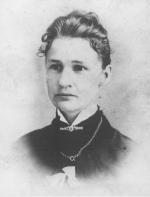
Did you know the first woman elected mayor in the U.S. was from Kansas?


Celebrate Black History Month with powerful films that showcase the rich cultural legacy and remarkable contributions of Black Americans.

The staff from the Mobile Library and the Mr. & Mrs. F. L. Schlagle Library are going head-to-head this February to see who can read the most minutes before the end of the Winter Reading program!


The staff from Mr. & Mrs. F. L. Schlagle Library and our Mobile Library are going head-to-head this February to see who can read the most minutes before the end of the Winter Reading program!

Every January, Wyandotte County Lake Park transforms into the center of nature appreciation and family-friendly fun during Eagle Days. This annual celebration brings together bird lovers, outdoor

Weston Bluffs Trail is near the town of Weston in Missouri, about a 30-minute drive from Kansas City, Kansas. The trail follows the Missouri River and the historic, well-marked path of Lewis and Clark in Weston Bend State Park.

Eggs have been colored and decorated for various spring and Easter rituals since pre-Christian times. The eggs represent the symbol of rebirth and fertility. These traditions survive to this day in many nations around the world.

These beet juice-colored eggs make a great appetizer, an attractive Easter table centerpiece, and also a fun family craft project. They work for Valentine’s Day as well.

Fermenting food is not a human invention; rather, it was a natural phenomenon that humans observed and learned how to cultivate.