
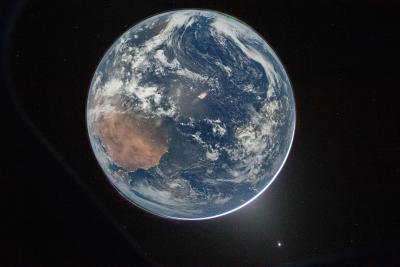
April 22, 2026
Earth Day is here! This observance calls on communities worldwide to take action to support clean air, water, and energy, protect natural resources, and climate stability. These factors are directly linked to human health, economic predictability, food security, and cross-border infrastructure performance.
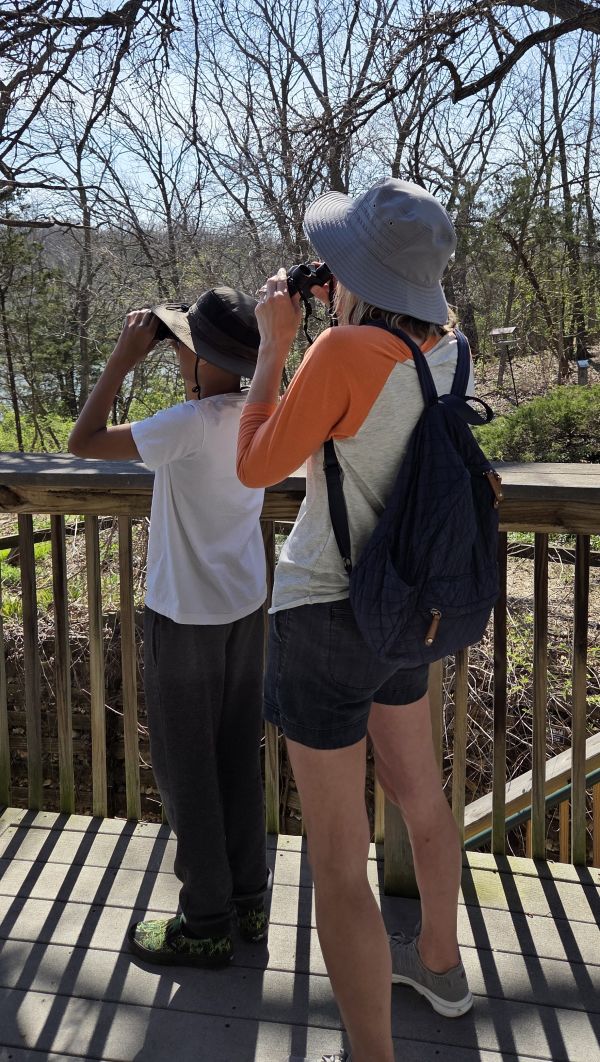
KCKPL is proud to be hosting several Earth Day Activities including our new Young Birders Club at Mr. & Mrs. F. L. Schlagle Library.
Did you know that we have one of the only public library environmental learning centers in the United States? The Mr. & Mrs. F. L. Schlagle Library is a nature education center and is the result of a unique partnership between the Kansas City, Kansas Public Library, USD 500, and the Unified Government of Wyandotte County Parks and Recreation Department. The library offers hands-on nature and science-based educational and outdoor recreational programs to both school students and the general public. They have many live reptiles, amphibians, and an arachnid on display. There is even a “touch table” with animal biofacts, scavenger hunts, and a nature trail. There is lots to explore and learn from!
Earth Day is an important reminder to take care our natural surroundings here in Wyandotte County. There are lots of ways for you to take action for Earth Day:
-Plant a pollinator garden using seeds from our Seed Library.
-Organize a community clean-up.
-Read about climate change and nature conservation.
-Shop at a local farmers market.
-Plant a tree in your yard.
-Talk to your friends about protecting the environment.
Make sure to also check out some of the recommended reads from the staff at Schlagle.
Happy Earth Day!
Images:
NASA, "Hello World", April 2, 2026
KCKPL, Young Birders Club, April 8, 2026
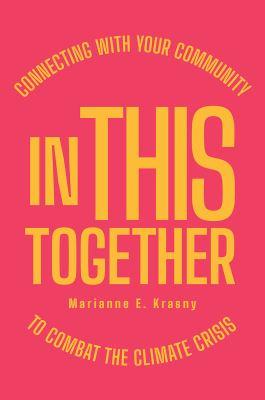
In This Together: Connecting With Your Community to Combat the Climate Crisis
Readers explore their role in addressing the climate crisis, whether through household actions like eating a plant-rich diet and reducing food waste or through advocacy actions like volunteering with a climate organization. They learn about the actions that are most effective in drawing down greenhouse gases and how to scale up their actions through engaging family and friends.
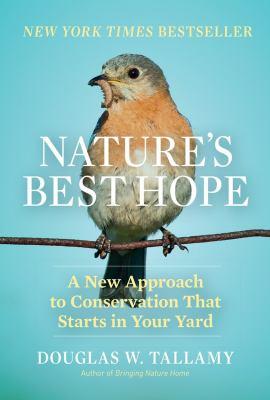
Nature's Best Hope: a New Approach to Conservation That Starts in Your Yard
Douglas W. Tallamy's first book, Bringing Nature Home, awakened thousands of readers to an urgent situation: wildlife populations are in decline because the native plants they depend on are fast disappearing. His solution? Plant more natives. In this new book, Tallamy takes the next step and outlines his vision for a grassroots approach to conservation. Nature's Best Hope shows how homeowners everywhere can turn their yards into conservation corridors that provide wildlife habitats. Because this approach relies on the initiatives of private individuals, it is immune from the whims of government policy. Even more important, it's practical, effective, and easy--you will walk away with specific suggestions you can incorporate into your own yard. If you're concerned about doing something good for the environment, Nature's Best Hope is the blueprint you need. By acting now, you can help preserve our precious wildlife--and the planet--for future generations.
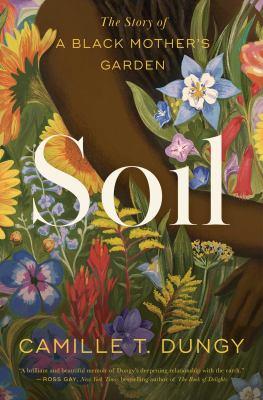
Soil: The Story of a Black Mother's Garden
Poet and scholar Camille T. Dungy recounts the seven-year odyssey to diversify her garden in the predominately white community of Fort Collins, Colorado. When she moved there in 2013, with her husband and daughter, the community held strict restrictions about what residents could and could not plant in their gardens. In resistance to the homogeneous policies that limited the possibility and wonder that grows from the earth, Dungy employs the various plants, herbs, vegetables, and flowers she grows in her garden as metaphor and treatise for how homogeneity threatens the future of our planet, and why cultivating diverse and intersectional language in our national discourse about the environment is the best means of protecting it.