
Food Waste and the Environment
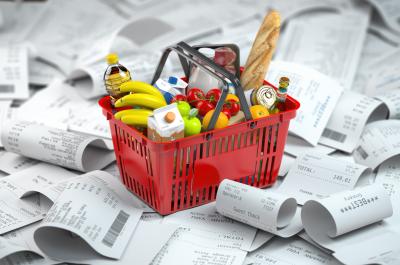
One in eight Americans struggle with food scarcity, yet, up to 40% of the food that’s produced in the U.S. is wasted. A typical household of four tosses out about $1,800 worth of food annually, as estimated by the Department of Agriculture (USDA). Food waste affects not only our wallets but also our environment. Food waste is the single most disposed of material in the country, generating significant carbon dioxide emissions, methane, and other potent greenhouse gasses. These gasses are a major driver of climate change, according to the U.S. Environmental Protection Agency (EPA). In 2021 U.S. food waste produced the emissions of 42 coal-fired power plants and enough water and energy to supply more than 50 million homes. Another major pollutant is plastic bottles. The average person purchases 13 bottles per month, which adds about 50 billion water bottles to landfill every year. Water and other nonalcoholic beverages make up 6% of our total food budgets, yet we are consistently told that water is the healthiest beverage there is. Additionally, studies have concluded that tap water is often cleaner than bottled water.
How Much Should Your Grocery Bill Really Be?
A few years, I conducted an informal survey of friends and coworkers, asking about their food budgets to align with my own living expenses. I received a wide range of answers. In the 20th century, American families spent about 40% of their income on food, and by 1950 that amount shrunk to under 30%. According to the most recent data from the U.S. Bureau of Labor Statistics, the average American household spent about 10% of its total budget on food, or roughly $400 per month.
Inflation
Due to a variety of global factors, over the last two years, inflation was at a nearly 40-year high. We have all noticed that the price of eggs surged by 59.9%, butter went up by 31.4%, and meat prices rose by over 10%. You can read more economic statistics here. Fortunately, a better economic outlook is on the horizon.
Become an Expert Grocery Shopper
There are many strategies out there to lower your grocery bill. First of all, do not make random grocery visits; create a shopping list and stick to it! Start with a list of meals you are planning to cook during the week, and check what you already have in your pantry. Create a list of any times items you still need. Secondly, it is best to avoid grocery shopping on an “empty stomach .”Going to the store hungry leaves you susceptible to impulsive purchases. It is always a good idea to grab a small shopping cart because research shows that when the size of your shopping cart is doubled, you purchase 40 percent more. Visit the back of the grocery store, which sometimes has bins with “seconds” vegetables or dented canned goods.
Minimizing your grocery trips will lower your gas bill as well. Explore new grocery stores, carry paper and pencil to write down the most common items you purchase, and at home, compare prices per unit with the prices of the stores near you. An Excel spreadsheet is an easy tool for organizing such a list. In search of bargains, look for store brands that are often much cheaper. Shop in bulk (and share with friends) by joining a wholesale club which could be 50% cheaper, but read the unit prices carefully and compare to other stores.
Watch your mailbox for coupons and look online, then plan your meals around sale items and “lost leaders.” Buy produce in season or on sale, and freeze it for later, which can result in big savings, especially in the case of meat. Remember that frozen fruits or vegetables are often cheaper yet nutritious. If you are worried about pesticides or chemicals in your food, check the dirty dozen and clean 15 lists to learn which foods are safe to eat conventionally farmed and which to buy organic.
Explore senior discount days, if applicable, or get a credit card with cash back, which can earn up to 5% on certain credit cards, or get a coupon grocery app on your cellphone. Be wary of product placement bait located by checkout counters. Plant your own garden or join a local community garden (info here ) for cheap plants and seeds, fertilizers, burlap, and gardening classes. Shop at a local farmers’ market or join a local CSA (Community supported agriculture). Tips on shopping and locating markets in our area can be found here and here.
One last point – be sure to always check your receipts to make sure that all of your discounts were applied and that you weren’t charged for anything that you didn’t purchase. For instance, if the store has different kinds of apples at different price points, it is very easy for an over-worked cashier to enter the code for the more expensive apples by accident.
Utilize Double Up Food Bucks
Check to see if you qualify to double your food stamps money when purchasing fruits and vegetables in grocery stores as well as local farmer’s markets. The largest SNAP (Supplemental Nutrition Assistance Program) assistance a one-person household could receive is $250 per month. Learn more about this federally funded program here.
Learn to Cook From Scratch
Cooking doesn’t need to be complicated. There any many cooking tutorials and cookbooks available to improve your skills. Many cookbooks and videos are available FREE from your local library as ebooks or in print. First, stock up on staples, such as canned beans, breakfast cereals, oatmeal, eggs, canned fish, peanut butter, and jam which you can utilize last minute cooking from scratch is not only cheaper but also much healthier. Staying healthy saves you money by reducing medical and pharmaceutical costs in the long run.
Make a list of meals you enjoy or know how to cook and rotate them for variety. Get creative with your menu and the foods you cook with. Cook larger portions and freeze leftovers or “premade meals” and label the container or package properly since the content of frozen meals is harder to recognize. Learn how to store green leafy vegetables in a damp cloth in the vegetable drawer instead of keeping them in a plastic bag to extend their life. Be creative with fruits and veggies, using their trimmings and use them stems to leaves. Fruit or citrus peels can be made into teas, and vegetable peels such as celery leaves, carrots, and onion skins can be stored in a freezer bag and later added to soups.
While ground beef is cheaper than other meat cuts, poultry tends to be cheaper than other types of meat. Buy whole chickens, which is even cheaper than chicken already portioned. This way, you have the leftover carcass for making stock. Buy canned fish as a healthy alternative to fresh. Also, learn to cook “from the back of the box,” which usually contains instructions for easy recipes with simple ingredients, making them the most economical meal.
The Myth of Sell-By Date
It is estimated that about 20% of the food waste in the U.S. can be attributed to “sell by” labels. In fact, the FDA has urged the food industry to change their packaging language to help consumers understand that these labels are about quality, not about food safety, and that sell-by dates are not hard-and-fast rules. But there is a bargaining opportunity in this as well. Grocery stores usually mark down items as they get closer to their sell-by date, so watch for these sales as they are still perfectly safe to purchase. The recent push toward clearer phrasing on food quality labels in the United States is to indicate when a product will be of the best flavor or quality — not safety. According to FDA, “Foods not exhibiting signs of spoilage should be wholesome and may be sold, purchased, donated and consumed beyond the labeled ‘Best if Used By’ date.” Happy cooking!
Magda Born
mborn@kckpl.org
Community Services Librarian
913-295-8250 ext 1103
Sources:
From Farm to Kitchen: The Environmental Impacts of U.S. Food Waste
Salvage Food Basics: Food Product Dating
Food prices up 10.8 percent for year ended April 2022; largest 12-month increase since November 1980
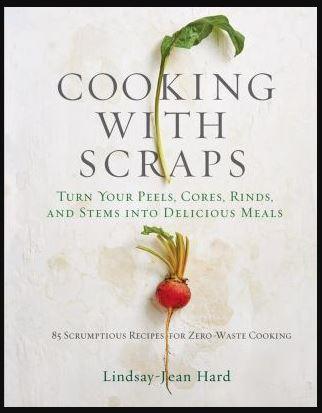
Cooking with Scraps
"Stop throwing away your food scraps and start enjoying them on your table! A collection of 80 surprising, creative, delicious recipes for anyone who wants to cook smart, sustainable, and impressive meals out of unused bits of produce, cheese rinds, stale bread, and other oft-discarded foods"--Provided by publisher.

Cooking for One
Discover the joy of cooking for yourself with more than 160 perfectly portioned, easy-to-execute recipes, flexible ingredient lists to accommodate your pantry, and ideas for improvising to your taste.
Taking care to prepare a meal for yourself is a different experience than cooking for others. It can be a fun, casual, and (of course) delicious affair, but there are challenges, from avoiding a fridge full of half-used ingredients to ending up with leftovers that become boring after the third reheat.
Cooking for One helps you make cooking for yourself special without becoming a chore with unfussy yet utterly appealing meals that rely on ingredients you already have on hand, like Garam Masala Pork Chop with Couscous and Spinach and Weeknight Chicken Cacciatore. Don't have exactly the right ingredients? Never fear--with a "Kitchen Improv" box on every page, we offer ideas for altering the dish so it works for you. And for those weeks you didn't make it to the supermarket, we use a "Pantry Recipe" icon to clearly mark recipes that rely entirely on our checklist for a well-stocked pantry. We show you when it's worth making two servings (but never more) with our "Makes Leftovers" icon, and suggest how to transform those leftovers into a whole new meal. (We love our Spice-Rubbed Flank Steak with Celery Root and Lime Yogurt Sauce served over arugula as a hearty salad the next day.) Ingredients themselves often lead you to another exciting meal--when you're left with half an eggplant from Simple Ratatouille, we direct you to Broiled Eggplant with Honey-Lemon Vinaigrette as the perfect way to use it up. And if the thought of a sink full of dishes keeps you out of the kitchen, there are plenty of appealing one-pan dinners like Sheet Pan Sausages with Sweet Potatoes, Broccoli Rabe, and Mustard-Chive Butter or Couscous with Shrimp, Cilantro, and Garlic Chips that are here to save the day.
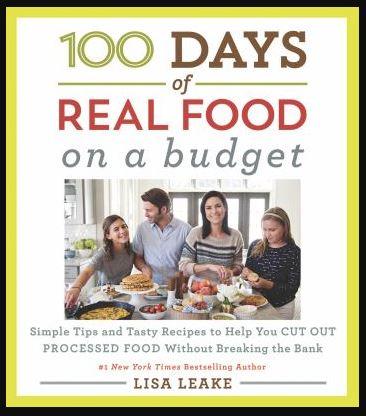
100 days of Real Food on a Budget

Hack your Cupboard

America’s Test Kitchen
"Join Christopher Kimball and the cast of America's test kitchen, the most-watched cooking show on public television, to learn the basics of great home cooking."--Container.
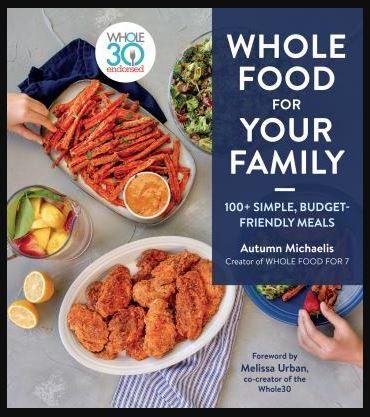
Whole Food for Your Family
"Over 100 budget--and family--friendly recipes from Whole30 Coach and creator of the popular cooking website Whole Food for 7, Autumn Michaelis. This inspired collection is dairy-free, gluten-free, and fully endorsed by Whole30! Changing the way your family eats can feel intimidating, but once Autumn Michaelis experienced the incredible benefits of the Whole30 and cut gluten, dairy, and refined sugar out of her life, she knew she had to bring her family on board. As a busy mother of 5--yes, 5--growing boys, she needed recipes that were tasty and easy. So she started the website Whole Food for 7, where she shares no-fuss, gluten- and dairy- free family meals that are delicious and nutritious. In her first cookbook, she serves up winning breakfasts like Crispy Waffles, lunch box essentials like Paleo Vanilla Wafers and Granola Bars, healthy remakes of kid favorites like Plantain Pizza Pockets and Our Favorite Chicken Strips, along with plenty of desserts like Churro Bites and Oreo Brownie Cheesecake. Kid-friendly, but not just for kids, this book is packed with comfort food favorites as well as time-saving hacks, and budget-friendly tips. Whole Food for Your Family is destined to become your go-to cookbook every day of the week." --
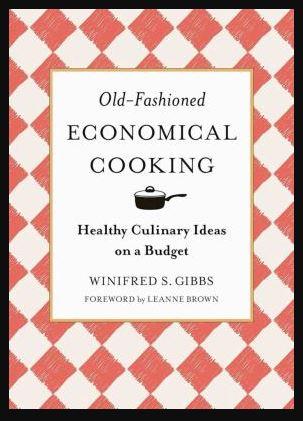
Old-fashioned Economical Cooking

Wasted!
Through the eyes of chef heroes like Anthony Bourdain, Dan Barber, Mario Batali, and more, audience will see how the world's most influential chefs make the most of every kind of food, transforming what most people would consider scraps into incredible dishes that create a more secure food system.