
Environmental Racism
Concerns about humanity’s negative impact on the environment first began during the 20th century. Classic books like A Sand County Almanac by Aldo Leopold and Silent Spring by Rachel Carson began the modern environmentalist movement. These authors shone a spotlight on humanity’s impact on the world and how it could have negative effects on the environment. Since then, the negative impact of pollution, land use, resource extraction, and climate change have been further studied and continue to contribute to declining rates of plants and animal species along with natural areas around the world.
Even more recently, a spotlight has been shown on how a changing environment not only harms plants and animals but also negatively impacts certain communities of people, especially communities of color. Known as “environmental racism” it is the disproportionate impact that pollutants and damage to the environment have on the health of Black and brown communities. People of color, especially Black communities, suffer negative health outcomes because of proximity to pollution and environmental degradation.
You can learn more about environmental racism through several titles in our collection using the links below:
A Terrible Thing to Waste: Environmental Racism and Its Assault On the American Mind by Harriet Washington
Clean and White: A History of Environmental Racism in the United States by Carl Zimring
The Intersectional Environmentalist: How to Dismantle Systems of Oppression to Protect People + Planet by Leah Thomas
There’s Something In The Water: Environmental Racism in Indigenous & Black Communities by Ingrid Waldron
Environmental Justice
Many people of color have fought bravely to help protect the environment – this advocacy work is called environmental justice. The crisis of protecting and preserving the environment touches communities in the United States and around the globe.
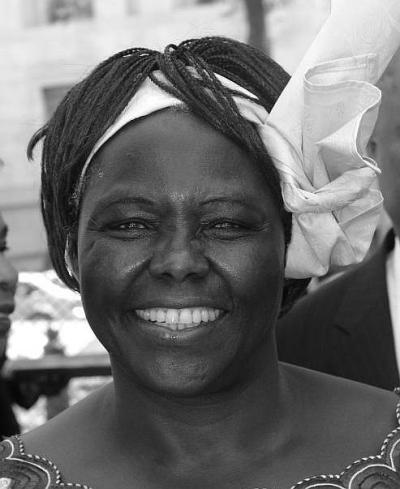
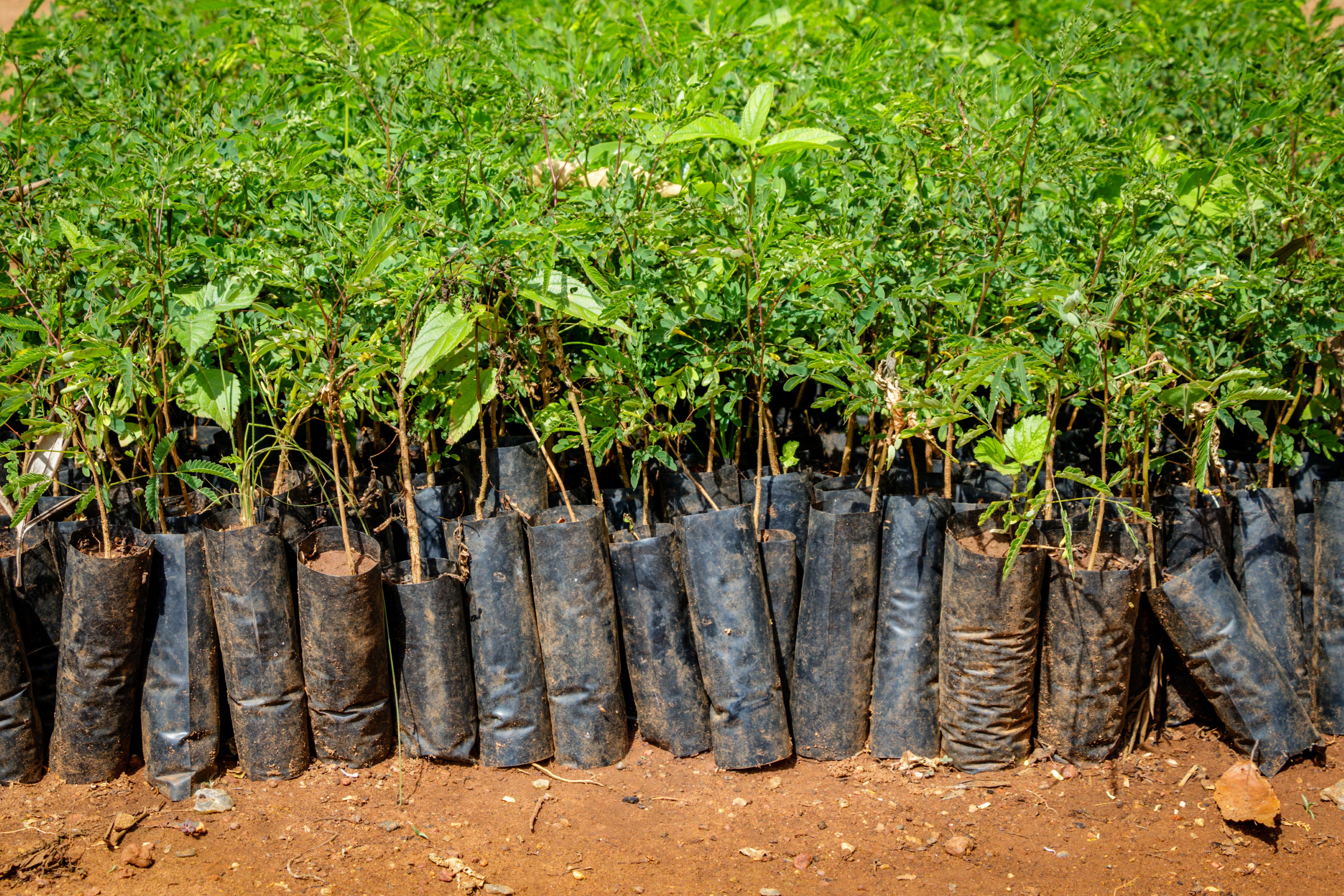
Among the many prominent Black environmental activists is the first African woman to win the Nobel Peace Prize, Wangari Maathai (pictured above). Maathai started the Green Belt Movement, an advocacy and grassroots organization founded by women of Kenya to fight deforestation and desertification. Through her organization's efforts, women in Kenya gained employment, along with aiding the conservation of vulnerable forests of their homelands by replanting trees. As of 2008, the Green Belt Movement (GBM) has replanted more than 8.3 million trees. Today, the GBM continues to provide training and skills for women in the environmental field, contributes to environmental activism throughout Africa, and continues to plant trees to combat deforestation.
Children can also learn more about Wangari Maathai and her environmentalism through these titles in our collection:
Wangari Maathai Planted Trees by Kate Coombs
The Story of Environmentalist Wangari Maathai by Jen Cullerton Johnson
Wangari y los árboles de la paz : una historia verdadera / Wangari's Trees of Peace by Jeanette Winter
Environmental Activists
There are numerous environmental activists fighting in our communities here in the United States. Our country’s unique history inspires advocacy work at the intersection of environmentalism, Black identity, and policy. Titles by these activists are available in our collection using the links in the titles below.
Carolynn Finney is an environmentalist and cultural geographer. In her book Black Faces, White Spaces: Reimagining the Relationship of African Americans to the Great Outdoors she combines studies and sources from various fields including science, film, literature, and popular culture to explore why African Americans are underrepresented in the environmentalism movement and outdoor recreation.
Leah Penniman is a farmer and food justice advocate working to create food sovereignty programs for Black and brown communities. In her book Black Earth Wisdom: Soulful Conversations with Black Environmentalists she has collected essays from numerous Black authors relating to their experiences with the land, waters, and climate change.
Rae Wynn Grant is a large-carnivore ecologist, fellow with the National Geographic Society, and science communicator. Her memoir Wild Life: Finding My Purpose In an Untamed World shines a light on her adventures as an ecologist and how she has carved her niche as a Black female scientist.
Christian Cooper is an expert birder and comic book author from NYC. When birding in central park in 2020, Cooper became part of a viral video highlighting ongoing racial tension in America. This event led to his involvement in Black Birders Week and the National Geographic show Extraordinary Birder. His memoir Better Living Through Birding: Notes From a Black Man In the Natural World is an invitation into the world of birds and what they can teach us about life.
POST BY: Kristen Manion, Education Specialist - Mr. & Mrs. F. L. Schlagle Library
Image Reference: Wangari Matthai Nobel Laureate, Washington. D.C. Capitol Hill 2005, John Mathew Smith, CC BY-SA 2.0